
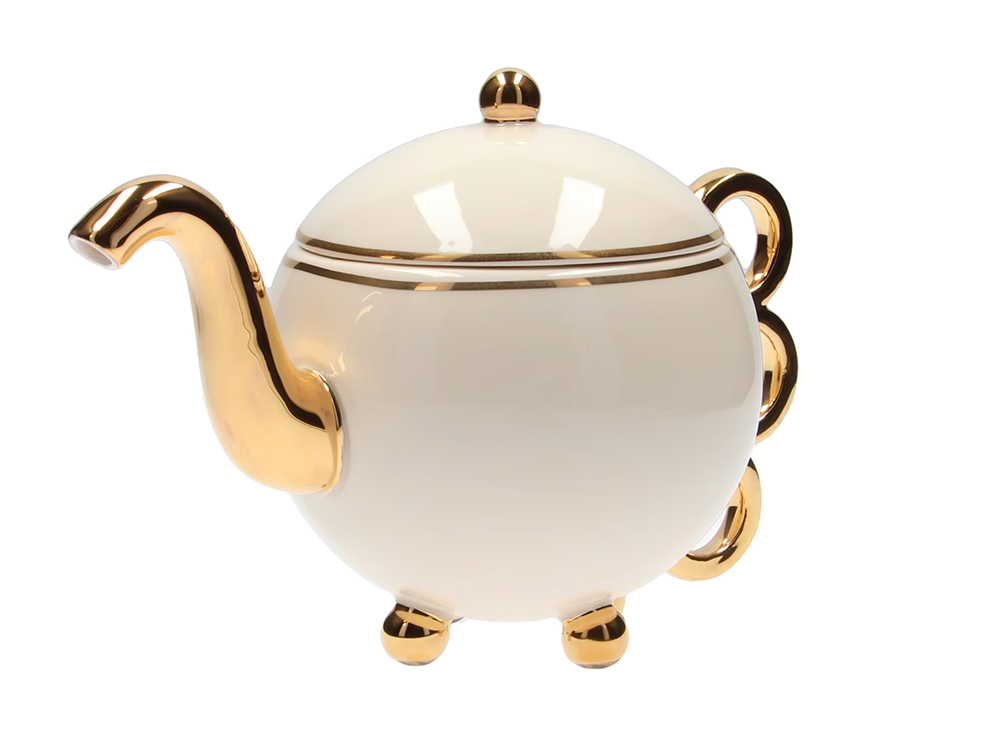
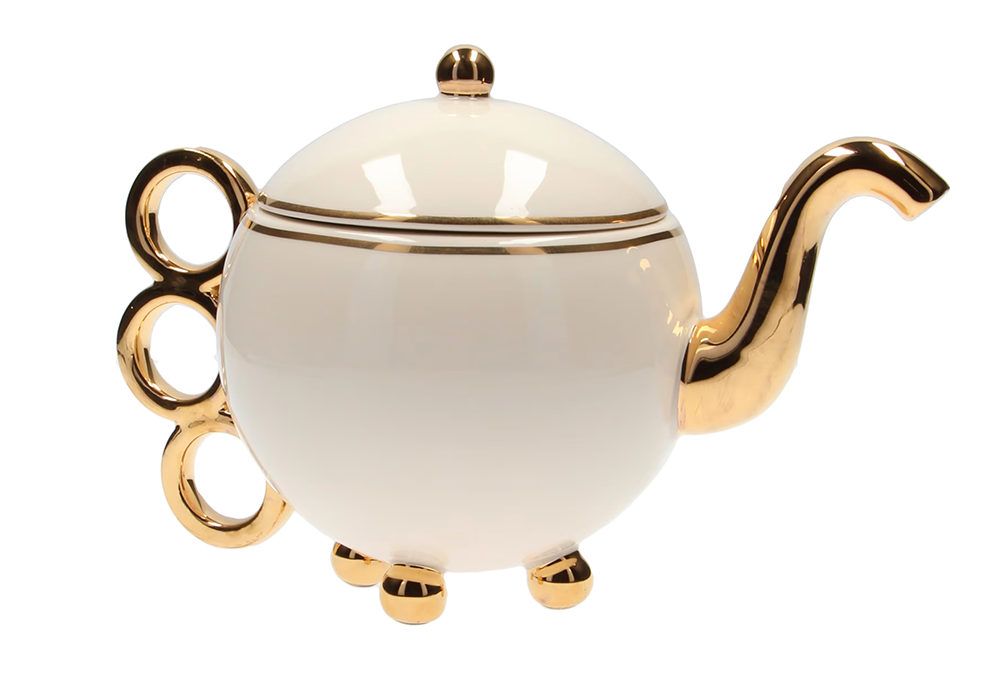
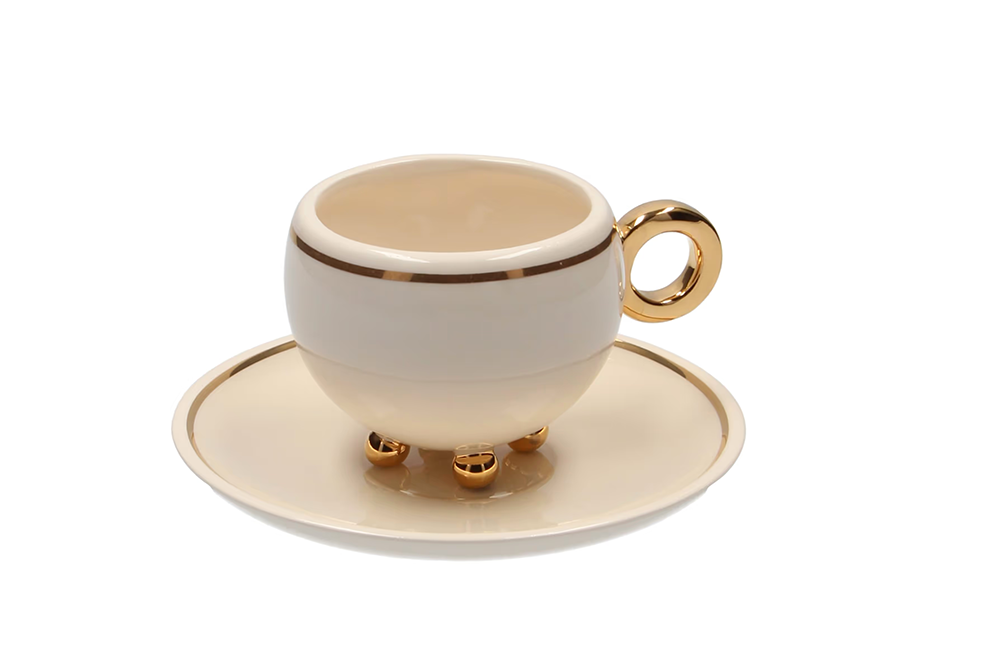
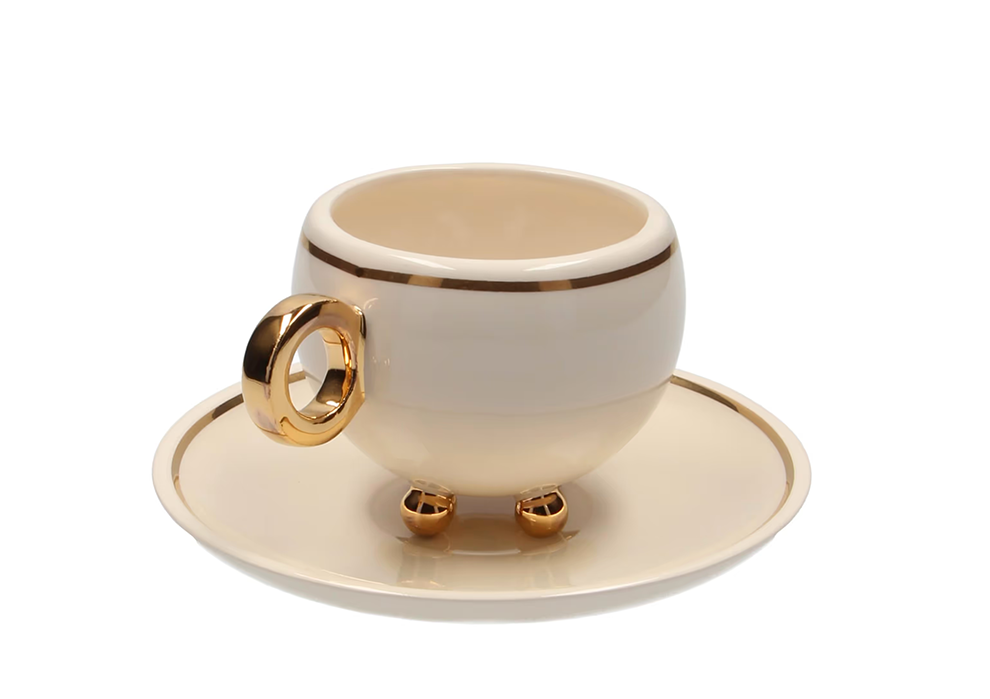
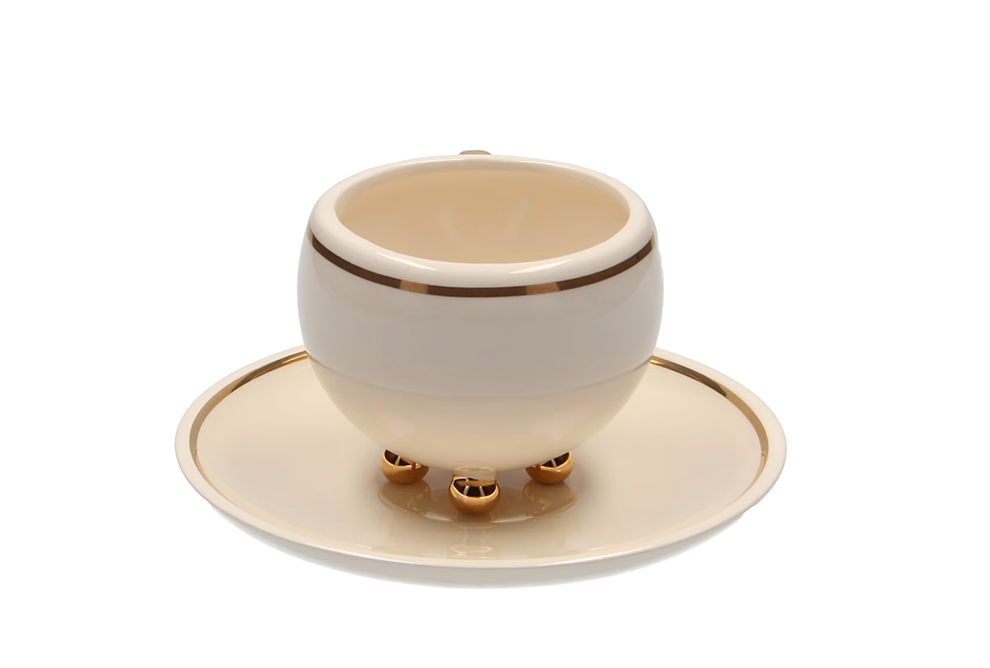
Art Deco porcelain pot, gold line, by Rudolf Stockar 20.–30. léta, věrná replika, ikonický čs. design
Related products


Product detailed description
Luxury Czechoslovak design for your everyday ritual
Do you love First Republic style, clean lines, and timeless elegance? This porcelain pot with a gold line is a faithful reissue of a famous design by the renowned architect and designer Rudolf Stockar. It brings outstanding Art Deco design from the 1920s and 1930s, in a premium finish with an elegant gold detail, straight to your dining table.
While collector's originals from the Cubist and Art Deco periods often end up locked in display cabinets, this fine porcelain replica was made with both beauty and full everyday use in mind.
Why choose this Art Deco pot with a gold line:
-
Faithful execution: It keeps the characteristic shape and the elegant gold line after the original design by Rudolf Stockar.
-
Practical luxury for every day: Unlike historical originals, you can use the pot every day to serve tea or coffee, for special occasions and ordinary ones alike.
-
First-rate material: Made of durable, high-grade porcelain with a smooth glaze and a precisely applied gold detail.
-
A great idea for an exclusive gift: An ideal choice for lovers of architecture, Czechoslovak design, collectors, and the look of the 1920s.
Specifications:
-
Designer of the original: Rudolf Stockar (Art Deco style)
-
Material: Porcelain
-
Pattern: Gold line
-
Finish: New production / faithful replica
Enjoy your favorite drink from a pot that brings together a piece of Czech design history, a touch of luxury, and practical use every day.
Discussion
Be the first who will post an article to this item!
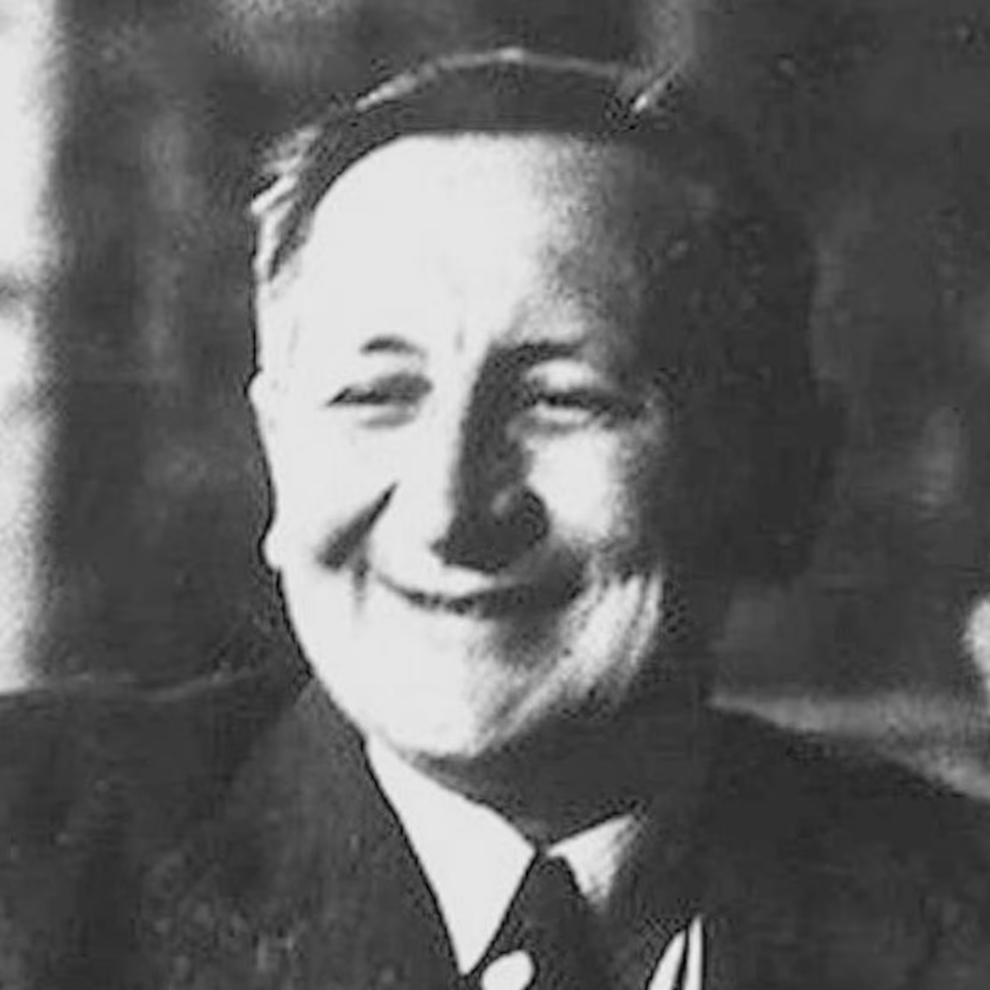
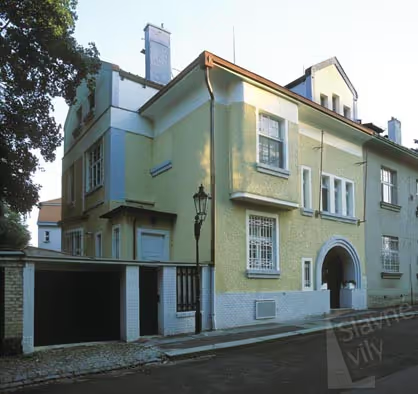
The architect—whose name was previously known primarily only to experts—studied architecture at the Prague Technical University during the first decade of the 20th century. His professional life, however, was also closely linked to the applied arts and the Artěl association.
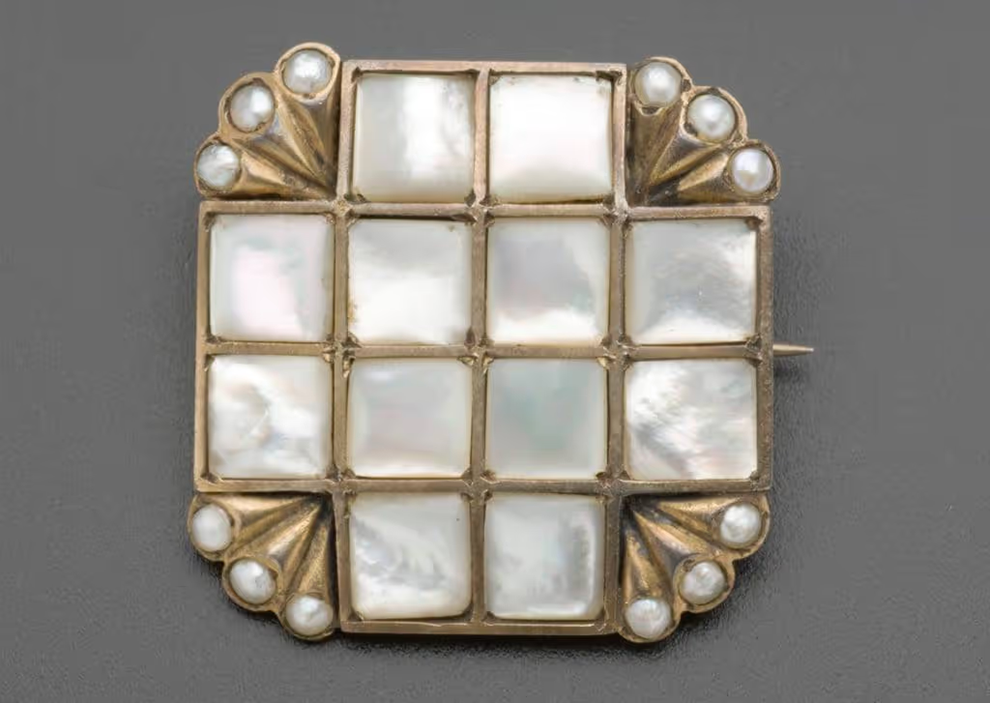
Rudolf Stockar belonged to a generation of architects born at the end of the 19th century who experienced the succession of various architectural styles that emerged throughout the first half of the last century. His body of work encompasses Art Nouveau and Geometric Modernism, as well as Cubism, Art Deco, Purism, and Functionalism. Theoretically, he explored the concept of "garden cities"—envisioning them as an urban structure suitable even for the poorest segments of the population—and delved into issues concerning the applied arts and the artistic industry. He was a founding member of the Association of Czech Applied Arts Artists (Artěl) and served as its director from 1915 to 1926. Much like the Bauhaus, Artěl was an association of artists, designers, and theorists dedicated to elevating the culture of living and the quality of lifestyle, while also facilitating the production and sale of its members' designs. For Artěl, Rudolf Stockar created a wide array of functional objects, ranging from jewelry and textiles to furniture and complete interior schemes. His primary focus, however, was jewelry—which he approached as if it were a form of small-scale, refined architecture. His portfolio also includes small objects—such as brooches, smoking accessories, vases, and coffee or tea sets—characterized by superb craftsmanship and remarkably ingenious forms. Barbora Kovářová
před 100 lety, ale dokonale
doplní i dnešní interiér.
Vyberte si epochu, která je
Vám nejbližší pomocí naší
přehledné časové osy.


