
Cubist lightning coat rack, brass, by Josef Gočár
Product detailed description
How to buy?
- On the Modernista online shop: We ship orders worldwide.
- At our main store in Vinohrady: Visit Modernista Showroom Vinohrady.
- At one of our 4 museum shops: See the list of stores on Modernista Stores.
Bring a piece of history into your home
Take home this unique piece of Czech Cubist design and bring a piece of history and art into your home. The Cubist brass coat rack is an ideal gift for everyone who loves quality design and history.
Discussion
Be the first who will post an article to this item!
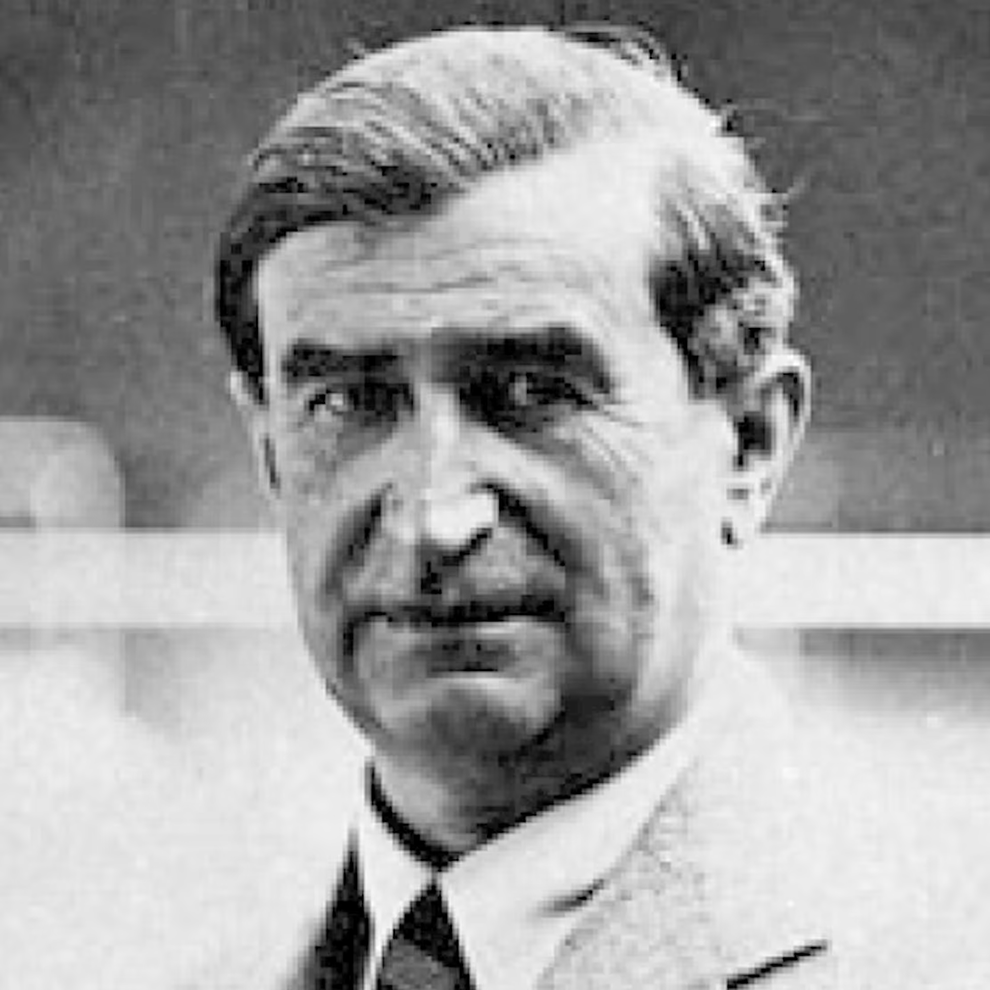
Josef Gočár holds a prominent place in the history of Czech architecture during the first half of the 20th century. He belongs to a notable generation of architects born at the end of the 19th century—a group characterized by the fact that, over the course of their careers, they navigated through several distinct architectural styles. The core of Gočár’s body of work is defined, above all, by Cubism, the "national style," and, subsequently, Functionalism.
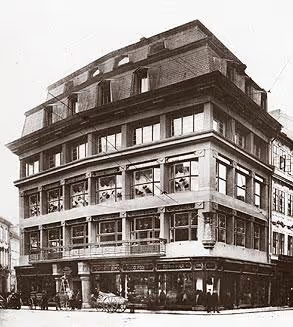
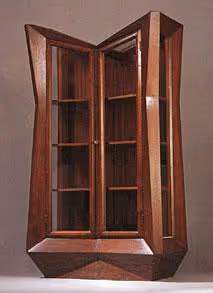
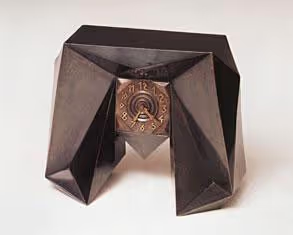
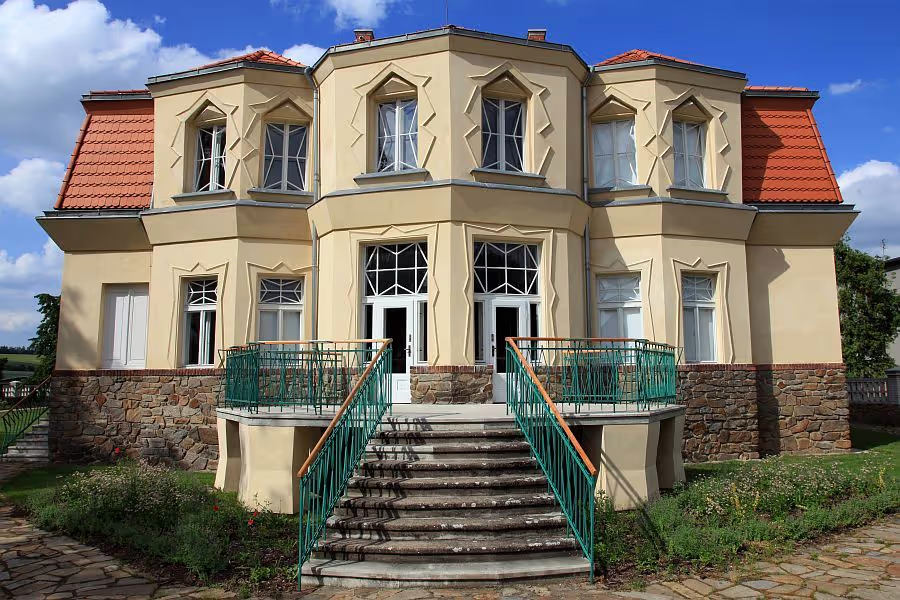
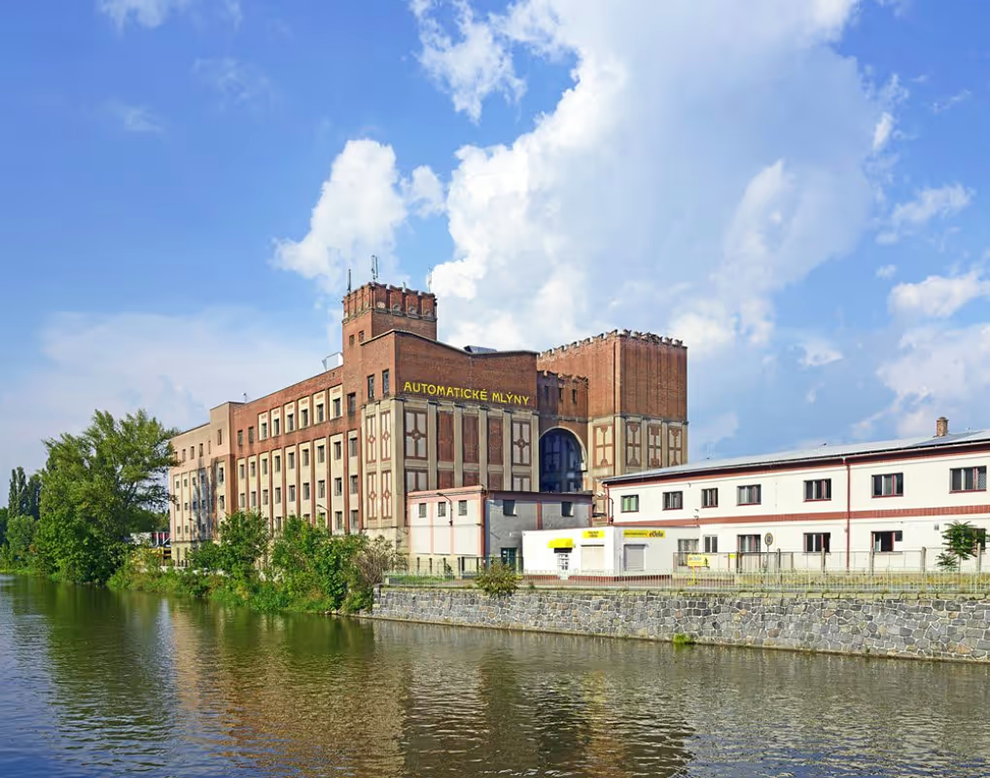
Although Gočár primarily applied his talents to architecture, his designs for furniture, clocks, and lighting fixtures from the years 1911 to 1920 were instrumental in defining Czech Cubism as a distinct style. Beyond his architectural and design work, Gočár played a significant role as an educator, influencing the emerging generation of Functionalist architects. Following the death of Jan Kotěra—a leading figure in modern Czech architecture, as well as Gočár’s own mentor and colleague—Gočár succeeded him in 1924 at the Academy of Fine Arts in Prague, where he later served as Rector. Both Josef Gočár and the architect Pavel Janák viewed furniture design as a serious art form, and they sought to shift public perception accordingly. To this end, they founded the Prague Art Workshops (*Pražské umělecké dílny*) in 1912, which focused on the production of Cubist furniture and other functional objects. Josef Gočár’s name is most frequently cited in connection with Cubism. This new, dynamic style was intended as a means to lead our architecture out of the crisis it faced at the beginning of the 20th century. Josef Gočár demonstrated the principles of this new architecture in the very heart of Prague with the five-story department store "At the Black Madonna" (*U Černé Matky Boží*) on Celetná Street, which replaced two original Empire-style buildings. Situated directly on the Royal Route, this new structure serves as an example of how new architecture can be integrated into the historic fabric of the Old Town with great sensitivity. The building is distinguished by its striking Cubist façade—defined primarily by its oriel windows—as well as by the decorative craftsmanship preserved both on its exterior and within its interior. Other iconic works from Gočár’s Cubist period that have left their mark on architectural history include the Spa House in Lázně Bohdaneč, the Automatic Mills complex in Pardubice, and the Legiobanka building on Na Poříčí Street in Prague—though the latter already reflects the influence of the "national style," known as Rondo-Cubism. Beyond his architectural work, Josef Gočár also played a significant role as an urban planner. He was instrumental in shaping the development of Hradec Králové—a city that combines an industrial character with a rare, historic Gothic core—a core which Gočár fully respected and left untouched. The urban plan encompassed a regulatory plan for the riverfront, a complex of educational facilities, a town square, and an outer transport ring with radial roads leading toward the city center—with residential districts and parks interspersed between them. Hradec Králové represents his most extensive and cohesive architectural achievement; in addition to the city’s urban core, Gočár designed a number of public, administrative, and residential buildings there. Thanks to Gočár, Hradec Králové—much like Zlín—became a unique, unified example of a modern metropolis.
Barbora Kovářová

před 100 lety, ale dokonale
doplní i dnešní interiér.
Vyberte si epochu, která je
Vám nejbližší pomocí naší
přehledné časové osy.


