
Pop-up book JEUX D’ENFANCE, Ladislav Sutnar, Gérard Lo Monaco
Product detailed description
No product's description available
Discussion
Be the first who will post an article to this item!

From cutlery to posters—encompassing glassware, porcelain sets, book design, posters, toys, typography, textile patterns, commercial design, functional objects, and even canvas painting—the work of Ladislav Sutnar permeates every aspect of the modern lifestyle. He stands as one of the most prominent figures of the Czech interwar modernist movement. He exerted a significant influence on the development of applied design, not only in his homeland but also in America, where he was active from 1939 onwards.
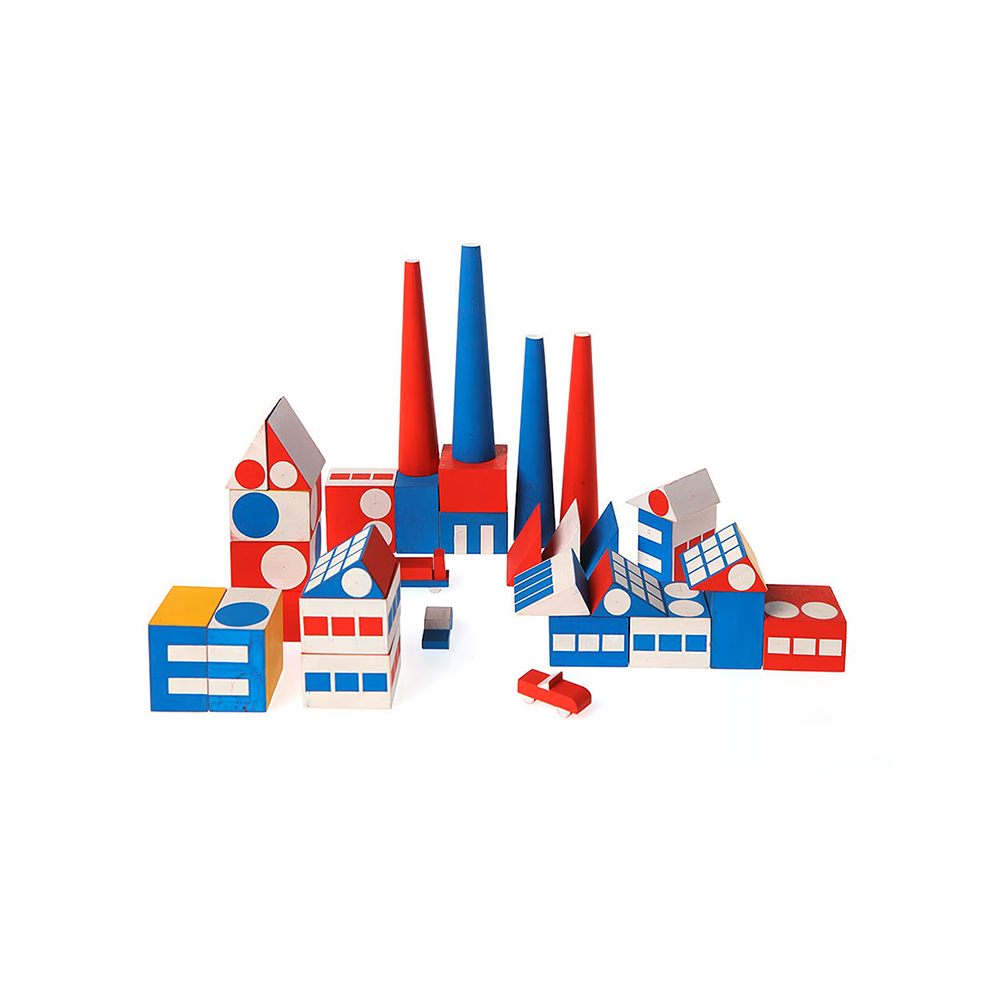
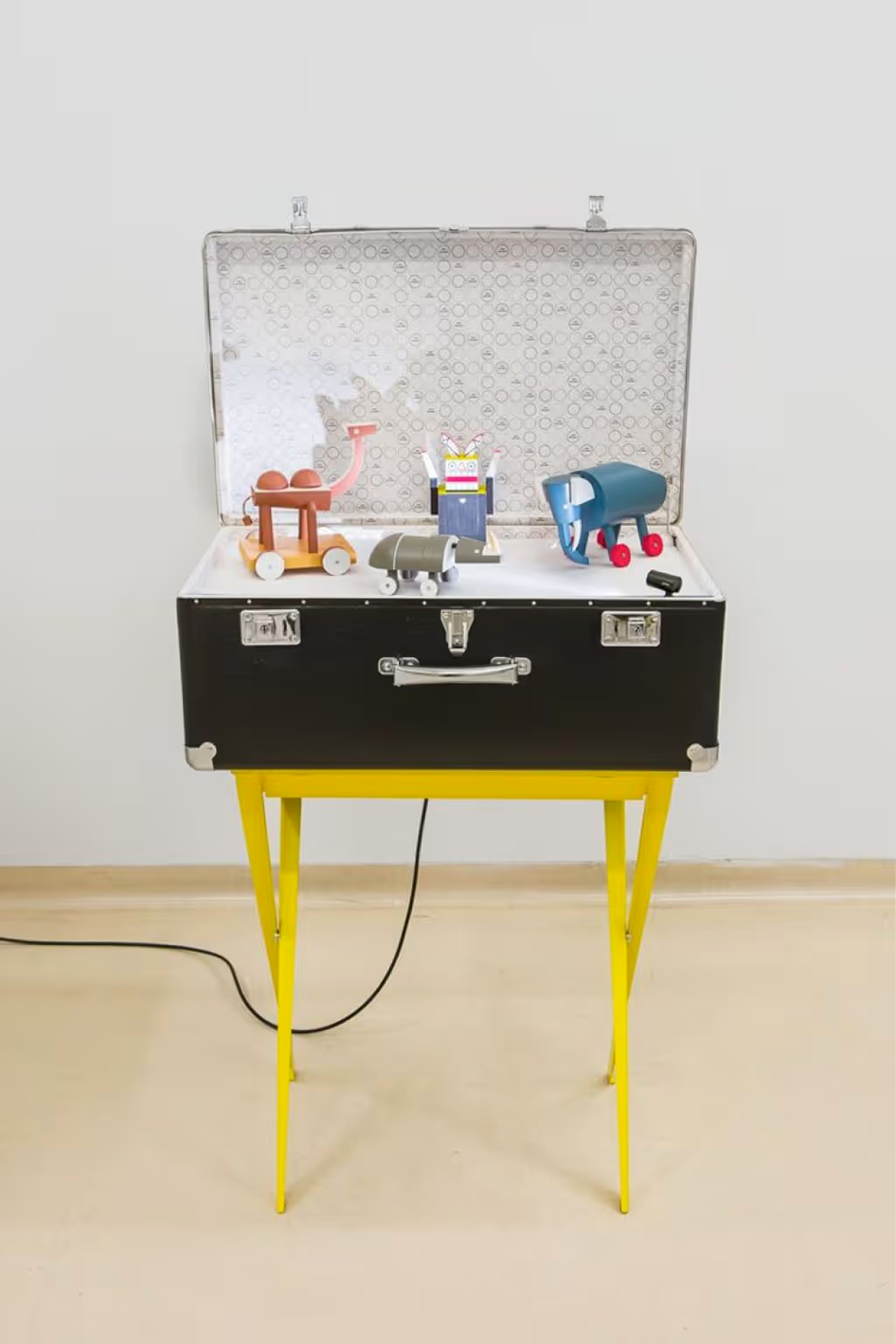
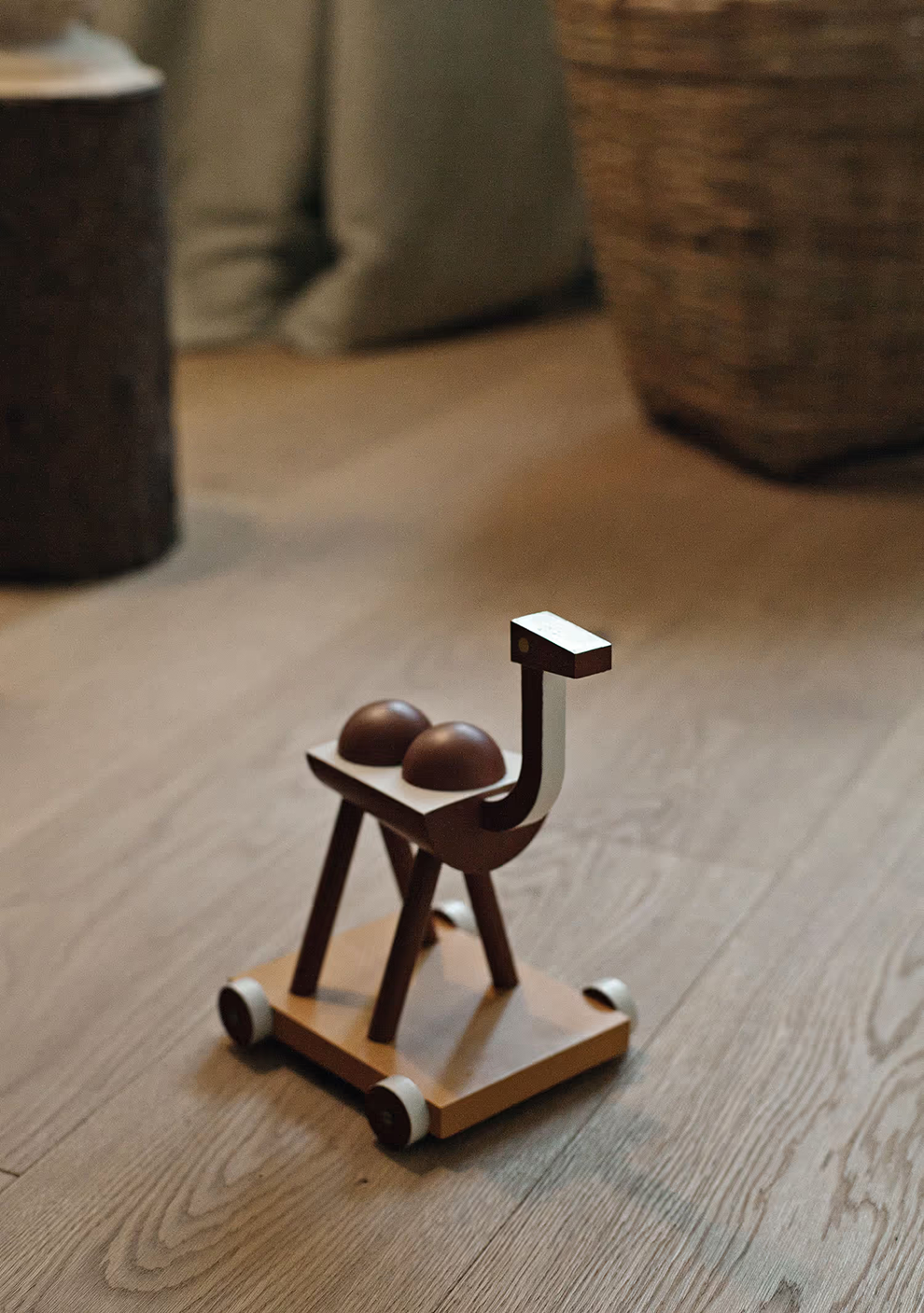
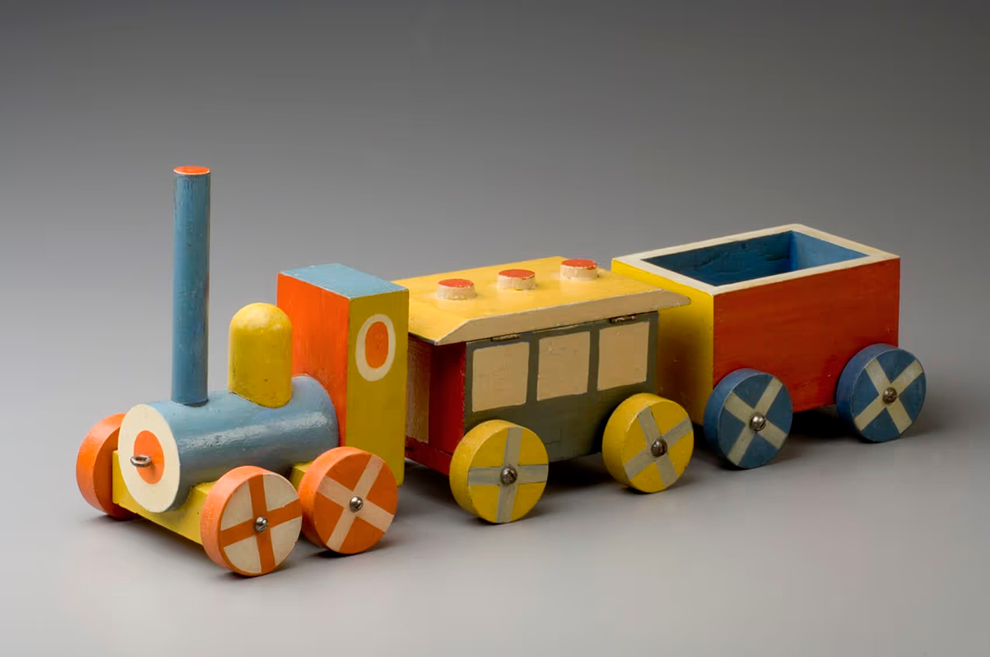
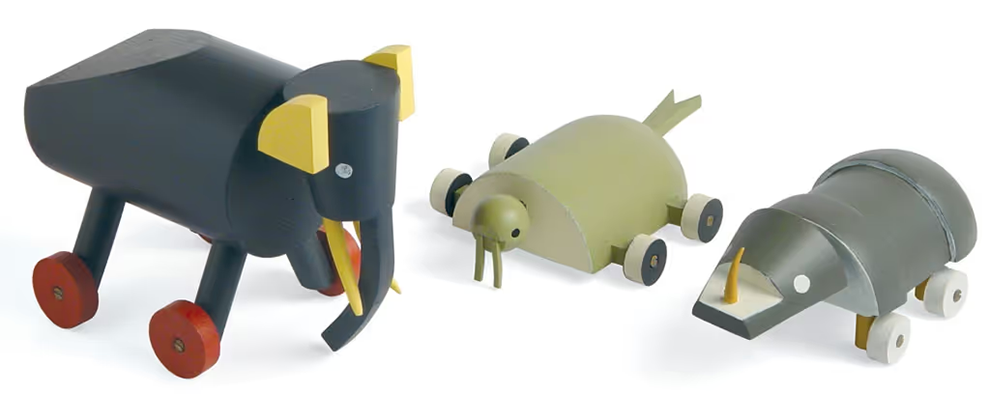
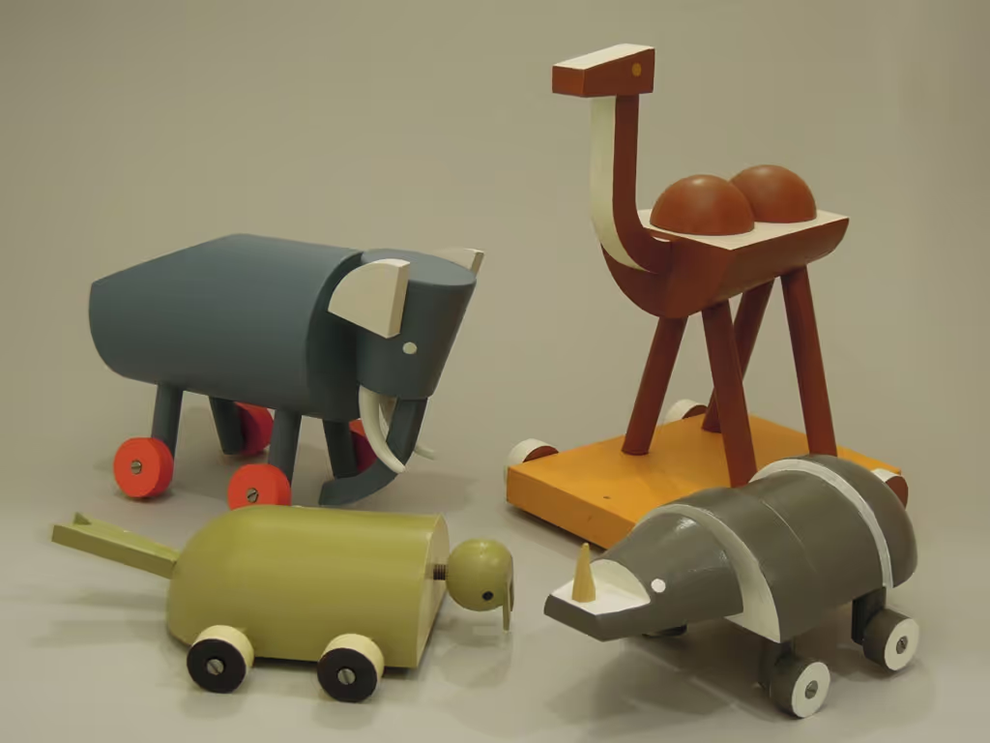
Ladislav Sutnar studied graphic arts at the School of Applied Arts in Prague under F. Kysela. Even during his student years, he designed wooden toys and collaborated with Artěl—one of the most important associations for Czech applied arts and design in the first half of the 20th century. Sutnar chose to focus on industrial design, which led to his creations becoming a fixture in households across Czechoslovakia. His goal was to foster healthy, hygienic living conditions for the general population, and he sought to achieve this through his designs. He profoundly shaped the evolution of product and graphic design, reaching a global level of impact. Furthermore, he played a significant role as an educator, writer, and manager. He served as the director of the cultural and social organization *Družstevní práce* (Cooperative Work) and its brand, *Krásná jizba*. He also worked as an educator and, later, as the director of the State School of Graphic Arts. Additionally, he exerted a major influence on the fields of exhibition design and promotional work. He approached mundane, everyday objects as high art, staging them as artworks within striking avant-garde compositions. The theme of modern toys and puppetry held great significance for Ladislav Sutnar. He believed that a precisely crafted, aesthetically sophisticated toy could not only positively influence a child’s development—thereby helping to nurture a new, modern generation—but, above all, serve as the child’s first encounter with art. He designed toys based on elementary geometric shapes, characterized by bold colors and vibrant ornamentation, free from superfluous detail. The subject matter of Sutnar’s toys was equally innovative. Inspired by the bustle of the modern metropolis in the 1920s, he designed a construction set featuring factory chimneys, as well as toys based on modes of transport—trains, cars, trucks, steamrollers, and electric trams. A unique wooden construction set representing an industrial city—complete with colorful blocks and chimneys—stands as Sutnar’s most mature work in the realm of modern toys. Although first conceived in the 1940s, it existed only as a prototype; it is now mass-produced by the French toy company Vilac. A monumental-scale version of this work commemorates its creator in front of the Faculty of Design and Art at the University of West Bohemia in Pilsen, an institution that bears Sutnar’s name. As an admirer of puppet theater, he also designed characters for puppet performances, as well as stage sets and scenery. In the spirit of the Bauhaus, he designed several turned-wood puppets for Artěl—a Knight, a Jester, a Robber, and a Devil. Also legendary, timeless, and highly prized are Sutnar’s 1930s toys depicting stylized exotic animals on wheels. Thanks to reproductions, even today—a century later—generations of the youngest children can enjoy these exceptionally designed toys by Sutnar.
Barbora Kovářová



před 100 lety, ale dokonale
doplní i dnešní interiér.
Vyberte si epochu, která je
Vám nejbližší pomocí naší
přehledné časové osy.


