
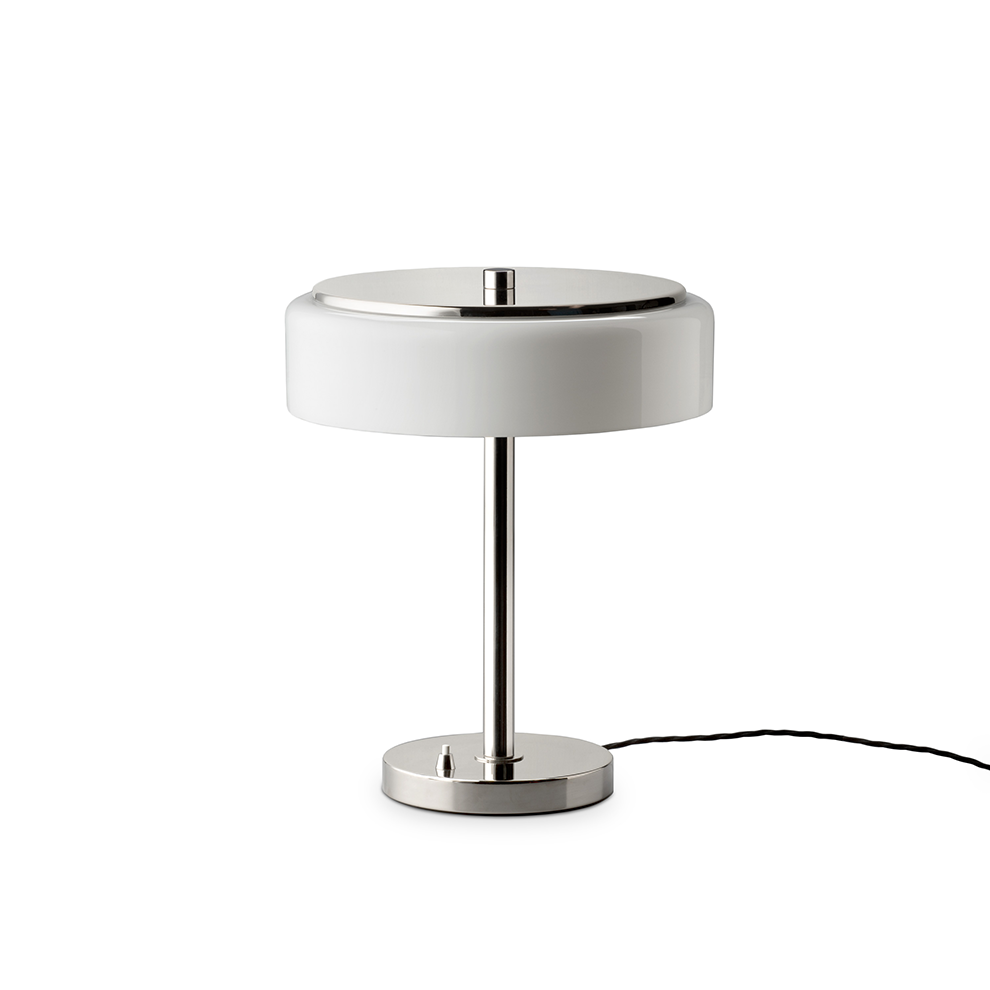
Table lamp LH 016 “Motorcycle”
Product detailed description
No product's description available
Discussion
Be the first who will post an article to this item!
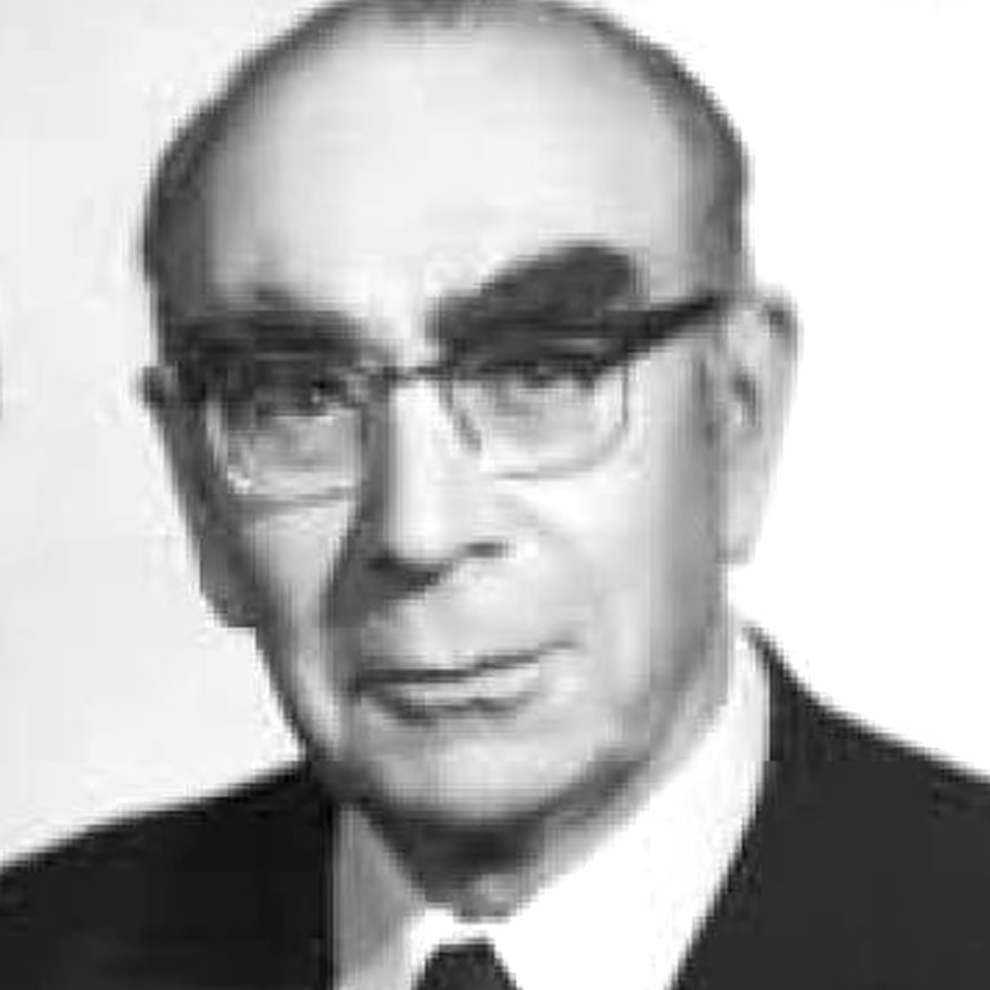
The success of the Anýž family serves as a double testament to the adage that the apple does not fall far from the tree. Franta Anýž was originally a renowned medalist and chaser—a craftsman specializing in metal ornamentation—whose work also encompassed the design and production of jewelry and other decorative objects. Thanks to his precision and diligence, he opened a factory in the Holešovice district of Prague in 1910, specializing in the creation of artistic metalwork. As a member of the Mánes Association of Fine Artists, Franta Anýž undoubtedly benefited from a steady stream of professional contacts and commissions. The factory soon gained a strong reputation, leading many of the era’s leading artists and architects to commission the Anýž firm to bring their designs to life.
In the early days, the firm secured significant contracts to furnish newly constructed buildings. For the interiors and exteriors of theaters—as well as landmarks like the Municipal House—Anýž supplied wrought-iron grilles, metal fittings, chandeliers, and various other elements. Lighting fixtures became a major part of the firm’s output; they produced everything from opulent chandeliers for grand interiors to simple electric light fixtures for private homes. The architect Adolf Loos even selected an elegant table lamp—model No. 5839, featuring a shade made of frosted milk glass—for the interior of the Müller Villa in Prague. Franta Anýž’s sons, Jaroslav and František, grew up amidst the bustle of the factory, watching their father’s enterprise expand and grow in stature. As a result, they came into contact with famous sculptors and architects from an early age. Both later assisted their father in the firm and, following his death, took over the management of the business. Within his father’s company, Jaroslav Anýž focused primarily on the design and construction of modern lighting fixtures characterized by simple forms and functionality. Lighting—and the phenomenon of light itself—remained a central theme throughout Jaroslav Anýž’s career. He dedicated himself to the research and development of airport signaling lights, lighting equipment for hospitals, operating rooms, and various other institutions, as well as public street lighting for cities. In the 1950s and 1960s, acting as an advocate for proper lighting, he contributed articles to magazines on the subject of effective illumination for homes and offices.
Author: Barbora Kovářová
před 100 lety, ale dokonale
doplní i dnešní interiér.
Vyberte si epochu, která je
Vám nejbližší pomocí naší
přehledné časové osy.


